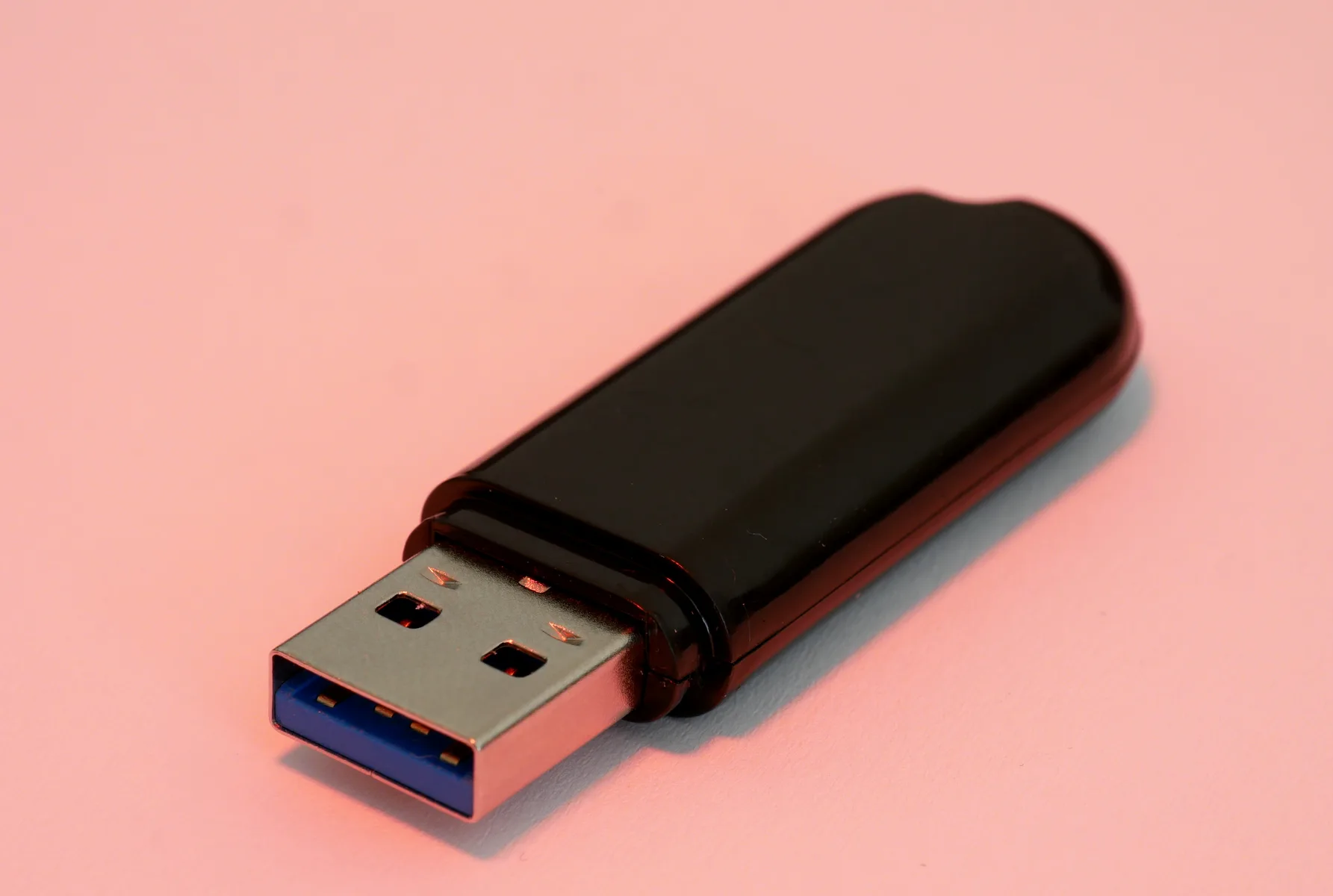
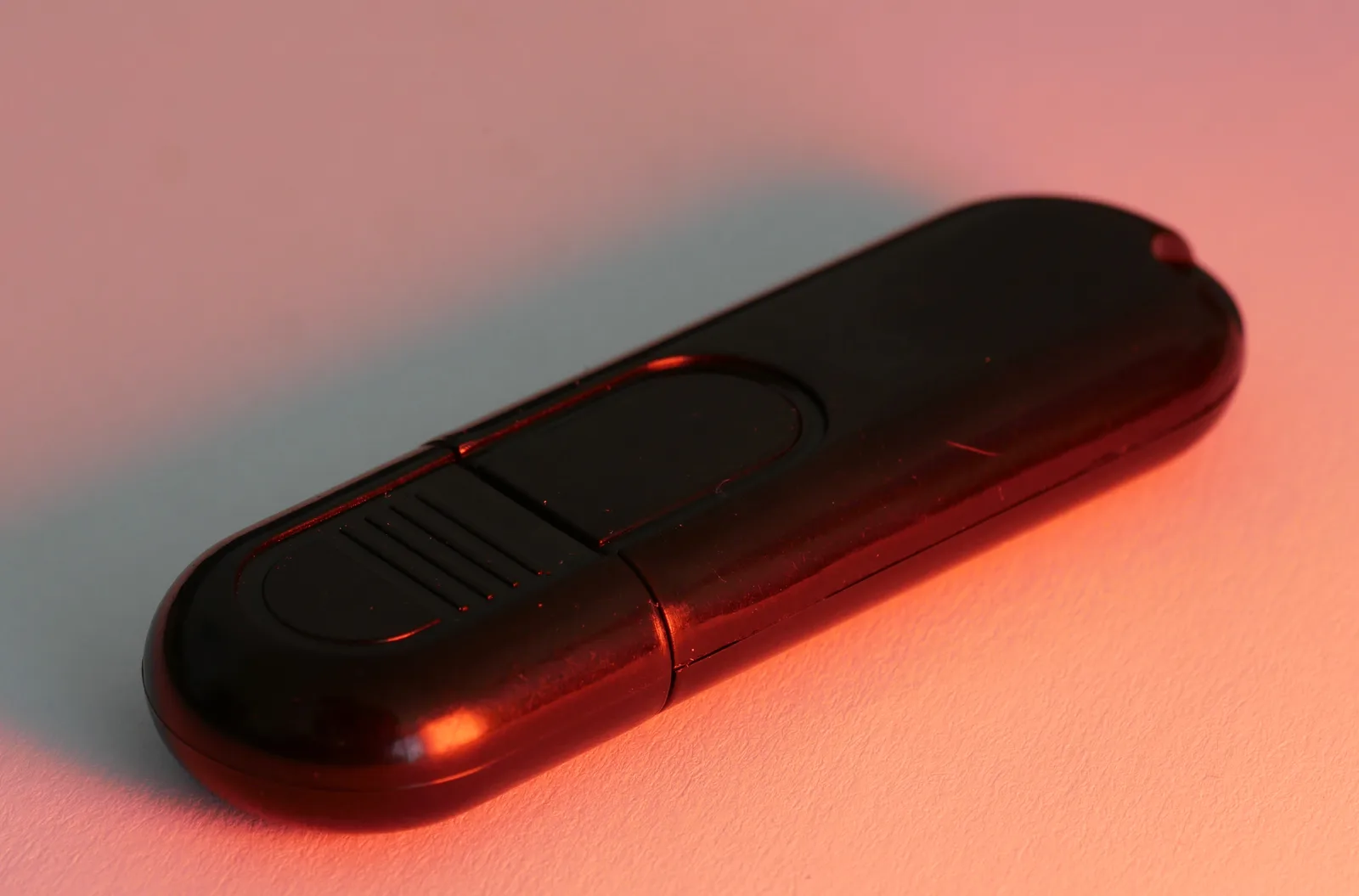
It starts as a boring flash drive.
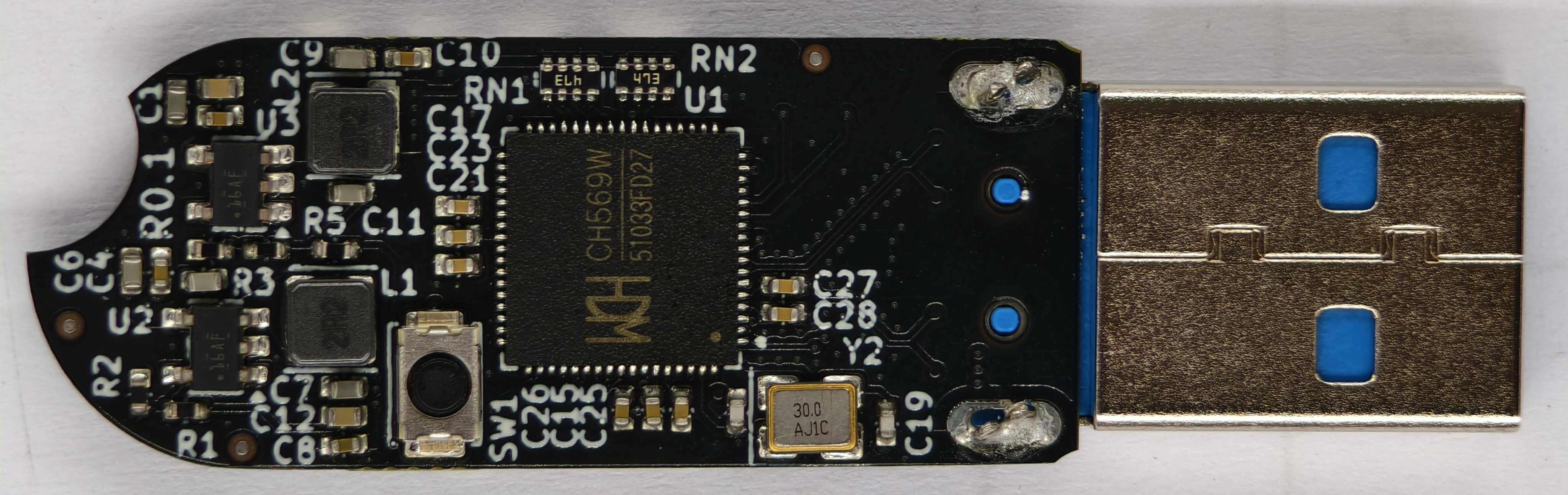
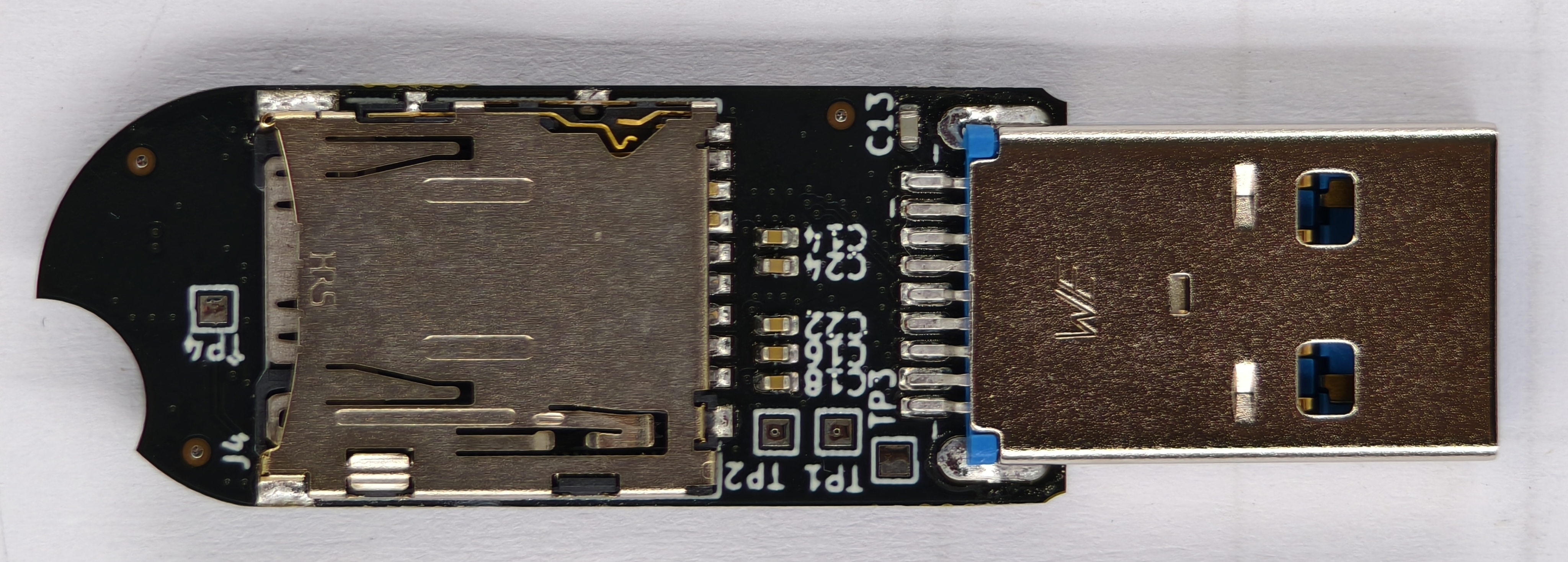
Phantomdrive masquerades itself as a normal 8GB drive. The remainder of the disk stays hidden until the unlock sequence is activated.

Phantomdrive masquerades itself as a normal 8GB drive. The remainder of the disk stays hidden until the unlock sequence is activated.
Phantomdrive first appears as a normal USB drive.
To trigger: create a text file containing password:addyourpasswordhere.
The device reads your password and derives an AES256 key. The password is never written to memory.
The remaining disk is remounted, and data is encrypted and decrypted in place.
FAQ
Phantomdrive is available from the Rootkit Labs shop, where you can find current pricing and shipping details.
Over 200 units are being used in the field.
No. An encrypted volume exposes random-looking encrypted data. Phantomdrive presents normal unenencrypted data, then reveals the protected section after being unlocked. When the device is locked, there's no way for the OS to know there's more space or data on the drive.
The firmware snoops for the string "password:xyz" and inhibits the write of "xyz". Otherwise, yes this would be very insecure.
Because of AI driving up the cost of eMMC. In the future I will likely make an eMMC version.
PBKDF2-HMAC-SHA256 with a per-device salt. The firmware supports 100,000 or 600,000 iterations, with 100,000 as the default.
Yes, but all the data is encrypted.